


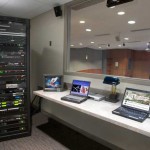
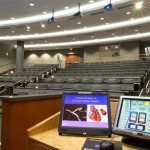
Advocate Christ Medical Center links a conference center
to its cardiac operating room
by Wendy L. Ellis, AV Technology Magazine
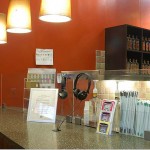
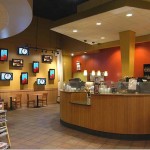
Everyone is listening for a heartbeat. They are listening in the operating room, in the auditorium, in the lunchroom. They are listening miles away in the museum and in high school classrooms across North America. They are all listening for the same heartbeat. As the skilled hands of a cardiac surgeon bring the live videoconference of open heart surgery to a close, everyone is waiting for the familiar beep-beep-beep of the monitor that means the heart is beating on its own again. AV components become the missing link for multi-screen entertainment at a Chicago Starbucks.
by Wendy Ellis, Pro AV Magazine
Most fireflies glow in the dark. This one pings.
At 2 AM every morning, the Focus Enhancements Firefly Media player at the Starbucks Coffee store located at the intersection of Rush and Oak in Chicago reaches out through the dark to a Hewlett Packard server. College of DuPage Broadcast ready AVCollege of DuPage uses sophisticated AV presentation and recording technology to create culinary theater productions
by Don Kreski, Pro AV Magazine
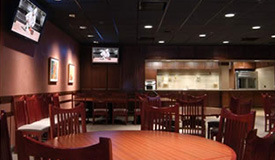
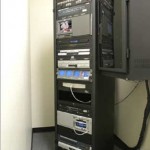
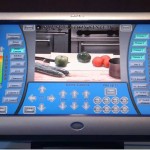
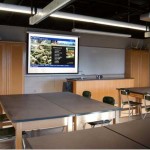
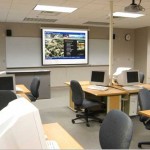
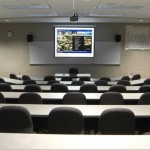
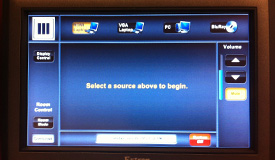
When Chicago's College of DuPage – the nation's largest junior college – set out to rebuild its culinary arts dining room, it wanted to create a "culinary theater" that would serve primarily as a hi-tech classroom. To meet the school's objectives, the theater needed a professional quality video system that could record, play back, and archive cooking demonstrations for classroom instruction. For small private colleges with big dreams, taking that first unfamiliar step into the world of audio/visual technology can be a leap of faith. At Trinity Christian College in Palos Heights, Illinois, that leap came with the construction of a brand new building, the Heritage Science Center, in 2002. Although computers have been a staple on the campus for years, science instructors were still sharing roll-around audio-visual carts as they taught in two science labs on the second floor of the classroom building. With the construction of the new $8 million science center and some timely intervention by the people at Media Resources, students now enjoy a sleek, modern, technologically-smooth environment that puts everything they need at their fingertips. Any absent minded professor who puts the remote in his pocket and walks out of one of the library class rooms at Lake Forest College won't get far with his forgotten memento. Just seconds after the AMX Modero 7500 touch panel leaves the room, an email message pops up on the computer of Academic Technologist Karen Blocker. "The wireless panel has gone off line." A similar message speeds its way to Brian Maksa at Media Resources Inc., of Lisle, IL, and before long, one of the two has tracked down the errant professor and retrieved the touchpad. Have you ever wished you could see what goes on inside an operating room?
You can, at least if you're a student participating in the Museum of Science and Industry's Live… from the Heart program.
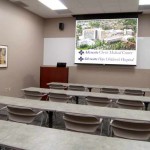
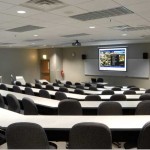
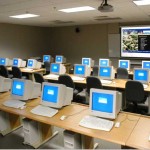
According to Elory Rozner, K-12 and E-Learning Manager for the Chicago-based museum, the program provides a "very dramatic and very moving" look into an operating room where open-heart surgery is taking place. Connected via videoconferencing equipment, students can watch a coronary bypass procedure live and ask questions of surgeons and nurses as they work. "They simply do not tolerate accidents in the nuclear industry. I'm starting to understand what that really means." That's how MRI's Brian Maksa describes the safety standards at Exelon Corporation's new headquarters, where he and his crew did an extensive series of A/V0 installations. Exelon Wind, a newly created operation of the Exelon family of companies, needed to create a command center. It looked to Media Resources Inc. for design ideas and support all the way through installation. Exelon Quad Cities Station, in keeping with the Company’s Chairman’s resolve to be more efficient and green, enlisted Media Resources to upgrade its main Room 215 at the nuclear power plant. This digital signage project, one of several completed for ComEd, provides the company with a clean, professional look that allows ComEd to display various sorts of information in their lobbies, hallways, conference rooms, and more. This specific project is a digital signage television in the lobby of the Oakbrook office of ComEd, displays relevant information to employees, customers, and anyone who walks into the doors of the branch. Media Resources’ expertise in A/V installation covers a broad variety of projects. Beyond installing systems for businesses, MRI has expertise and experience working with several higher educational institutions, such as the classroom shown here at Trinity Christian College in Palos Heights, Illinois. The classroom is outfitted with four 80” LED monitors to allow for easy visibility throughout the classroom. 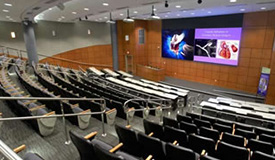
Media Resources links Conference Center to Cardiac Operating Room

Coffeehouse reaches Customers with Interactive AV
Theater adds Broadcast Ready AV

Trinity Christian College installs AV systems
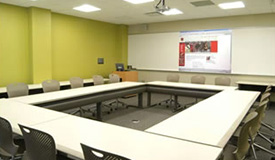
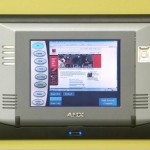
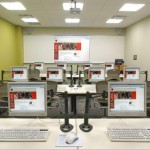
Smart System Programming brings Security to Classrooms
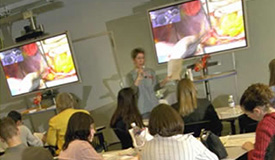
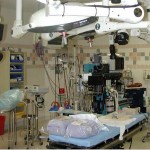
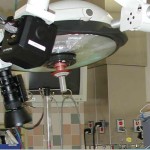
Museum/Hospital Partnership takes Health Education to a New Level
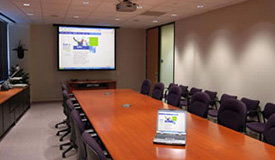
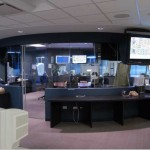
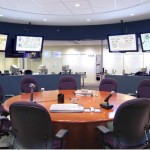
Exelon Nuclear - Emergency Operations Facility
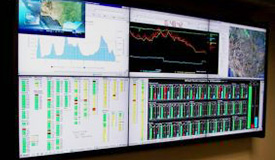

Exelon Wind Commissions Media Resources to Install Command and Control Center
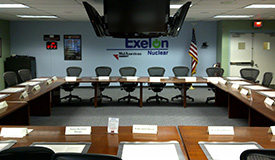
Exelon Quad Cites Goes Green/Paperless
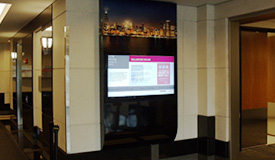
ComEd Digital Signage
MRI Completes Trinity Christian College Classroom A/V System